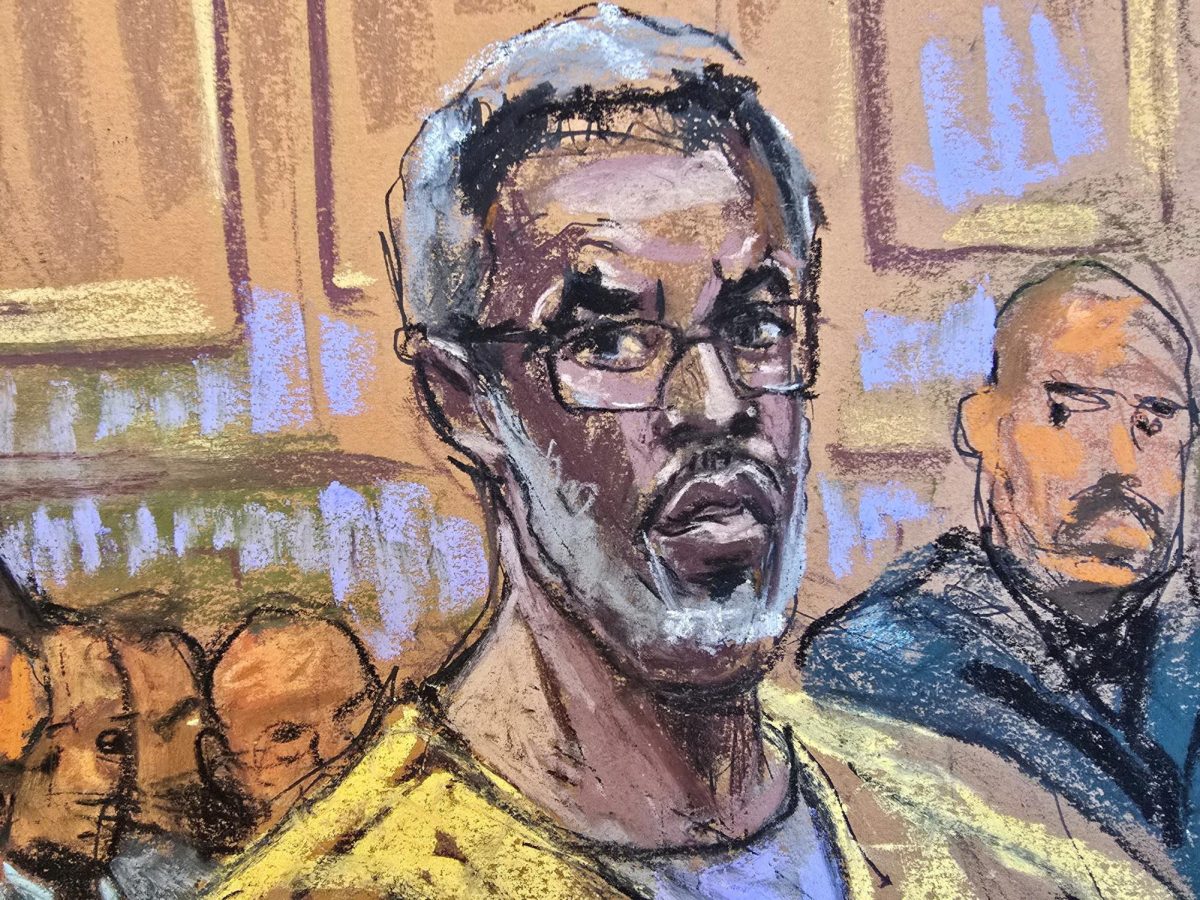
Recently, on October 4, 2025, musician Sean “Diddy” Combs entered his 50-month prison sentence. The rapper was accused on two counts of transportation for prostitution after he was caught running an exploitive trafficking operation. From early July to now, Combs, age 55, has been put on a lengthy trial and pleaded not guilty under any charge, soon descending to his final fate.
His initial trial in July, which caught the nation’s attention by storm, ultimately ended in a split verdict. He was previously charged on federal sex crimes and other counts of illegal lucrative scandals, piling up to nearly 100 lawsuits filed against Combs. These filings did not only apply pressure to the case but made the testimony and situation that much more complicated in the numerous crimes accounted to him. Additionally, following the October 3rd trial, the musician’s lawyers made attempts to negotiate with the judge, pursuing notions to grant him a new trial or overturn his criminal conviction, which the court denied, leading directly to his October sentencing.
Early on October third, at approximately 10:10am, Combs exited the Brooklyn Metropolitan Detention Center, where he had been residing since mid-2024, to then enter the Daniel Patrick Moynihan courthouse in New York City, where his prosecution had been held. That day, his lawyers were set to make a “formal” statement to the court, and to provide the team’s documents.
In the beginning hours of the appearance, Comb’s defenders called to appeal the nearly 50-month sentence, calling it “un-American” and “unconstitutional.” They then later stated how the sentencing was abnormally harsh and fallacious for the prosecutor to mention coercion or un-consensual acts, challenging the judge’s ruling. The defenders focused on minimizing the situation as consensual and any prostitution related happenings were limited–including the infamous “freak offs,” which were mentioned during the case as intimate situations rather than abusive.
Towards the end, Comb’s defenders pleaded for mercy, calling for the inevitable end of his prosecution, highlighting “Diddy,” as a changed man and a person who inspired “so many people.” Moreover, they declared he had faced many psychological challenges, inspired by his recent actions in prison which had transcribed to depression, anxiety, and other related emotion driven disorders. One of Comb’s lawyers, Jason Driscoll, argued that the Mann Act, a law used for sex trafficking cases and prostitution–was evidently misused during the trial.
At length, he currently faces a near 50 months of incarceration or a little over four years in total, even with the defendant’s persistence.
With the controversial trial ending, there have been countless messages made by his family, victims, and people relative to the case. In one example, Comb’s ex-girlfriend, Casandra Ventura– a witness who is recognized by many as courageous and is heavily supported in her times of healing and growth– testified her emotional story describing the trauma she endured while with combs. Her narrative has since given prosecutors justification for Comb’s harsh sentencing.
Whether or not you agree with his court proceedings or not, it is undeniable “Diddy’s” reputation as a notable musician and rapper has been knocked down. His long impact on the rapping community is now broken and supporters in these times might feel sad or frankly disappointed.
Nonetheless, this popular case shines a moment of silence for all sexual assault victims. In times like these, it is a must that we show all victims kindness and empathy. Diddy’s downfall stands as a lesson that no amount of success can outweigh accountability.