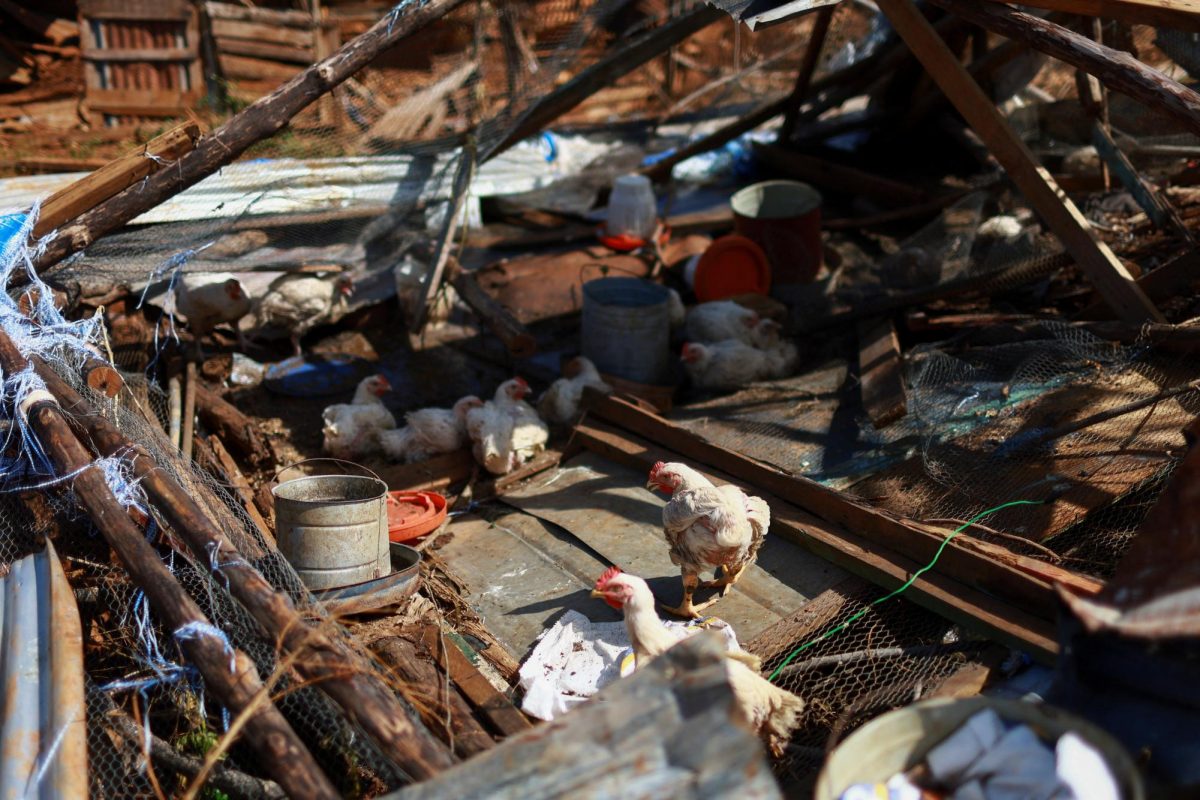
Hurricane Melissa, a Category 5 storm, struck the Caribbean on October 28 and 29, 2025. Jamaica, Haiti, Cuba, and the Bahamas faced catastrophic winds and flooding. Melissa left its mark as one of the strongest Atlantic hurricanes to make landfall, ripping roofs off of homes, blocking roads, and taking over thirty lives. For, Jamaica, Melissa was the strongest hurricane to make landfall on the island, surpassing that of Hurricane Gilbert in 1988.
Hurricane Melissa first formed as a tropical wave, from West Africa. First hitting near New Hope, Jamaica, on October 28th, the storm moved towards Chivirico, Cuba, the following day. After passing through Bermuda and Newfoundland, it finally dissipated on November 4th, just southeast of Iceland. Jamaica has reported more than $6 billion in damages, with a total of 141 injuries and 83 deaths between all countries hit. However, many are left unaccounted for, with an unnoted number of people missing.
Melissa left hundreds without suitable shelter and steady supplies of clean water and food. Delays of care packages, supplied by the Jamaica government and distributed to communities worst struck, have been devastating to families in need. Many houses in Jamaica were submerged up to their roofs, and communities were decimated into rubble. Families were left displaced and dependent on emergency aid. Hospitals and clinics were overwhelmed with patients and had limited medical resources. School and public buildings were destroyed or seriously struck, forcing creation of temporary shelters to serve as makeshift classrooms and housing.
Conversation over the role of climate change directly impacting Hurricane Melissa is also circulating. Climate change increased Hurricane Melissa’s maximum wind speeds by up to 7%, making rainfall 16% more devastatingly intense with abnormally warm ocean temperatures fueling Melissa’s rapid escalation. Earth-warming gases, such as carbon dioxide when released by humans, cause the atmosphere to hold more water vapor and therefore increase water temperatures. Analysis on the oceans temperature reported waters in Melissa’s path were about 2.5°F warmer when compared with a pre-industrial climate.